

Making It Off-Grid
Lets talk about how to design your Tiny house to be “off grid”. Whilst it does cost more upfront than connecting to services, it allows for a lot more freedom. It also allows you to place the tiny house in the middle of nowhere should you wish. It also can save money in the long run by generating and using your own electricity.
To achieve this, you need to think about: power, fresh water, grey water, black water, rubbish collection, cooking and heating. Here is what we have:
Power
We have tried to run everything we can from dedicated 12v DC. This eliminates the inefficiencies and losses from converting 12v DC to 120v/240ac. These losses of 10-15% may seem insignificant, but they add up fast. Not to mention by running our fulltime appliances and devices from dedicated DC, we do not need to run a 120v/240v inverter all day long, saving a lot of power over the course of a day. Running a standard 120/240v fridge may only use an extra 20-30amps a day, but running the inverter all day long when your fridge only operates for 5 minutes an hour causes a lot more energy loss. So, along with power generation, we also eliminated as much loss as possible. I will cover electronics more detailed in a later post, but for now, here is the basic setup:

About 2.2 kw of solar panels on the roof (8 x 280watt panels)
4 x 400ah batteries (We will probably need more. Ill update this later)
12v DC dedicated fridge/freezer (187 liter)
USB chargers (for phones / Bluetooth speaker)
12v DC 32″ TV & satellite dish
12v water pump
70ah Solar Charge Controller
12v laptop chargers
12v rice cooker
12v pico power supply and inverters (to run a proper gaming computer on a dedicated 12v input without the 120v/240v power supply)
The only things that run on 110/240v through an inverter are:
Washing machine (I may actually convert this to 12v)
Coffee machine (neither of us can survive without this)
Toaster (only gets used every few days for 2 minutes)
Microwave (again, not used much at all)
This means the 120/240v AC inverter will only run for short periods each day. (Less than 1 hour)


Fresh Water / Waste Water
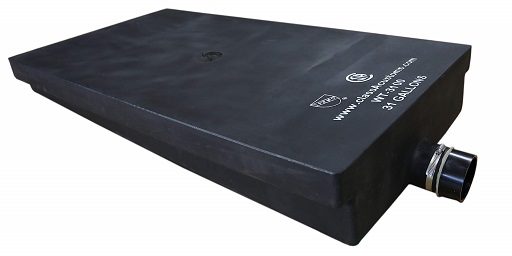
We have designed the tiny house to collect rain water from the roof and store it in a water tank. Thankfully in New Zealand, we have a “motorhome culture”. meaning every petrol/gas/service station you see has facilities to pick up fresh water and empty motorhome toilets. because of this




Cooking / Heating
Cooking and heating are very energy consuming. Because of this we are running gas for cooking and heating. Our install comprises of:
Gas cooktop (gas system installed)
Gas oven (uses camping gas canisters)
Gas instant hot water system (Gas system installed, battery ignition)
Gas heater (uses camping gas canisters)


That’s it. That’s how we are doing it. Feel free to ask any questions. I do have a complete list of every single part going into the build including photos, prices, quantities and purchase locations available.